INFRASTRUCTURE CRISIS

Train & Road Accidents

Building Safe Passages for Elephant Migration

The Infrastructure Challenge

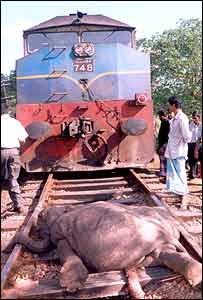
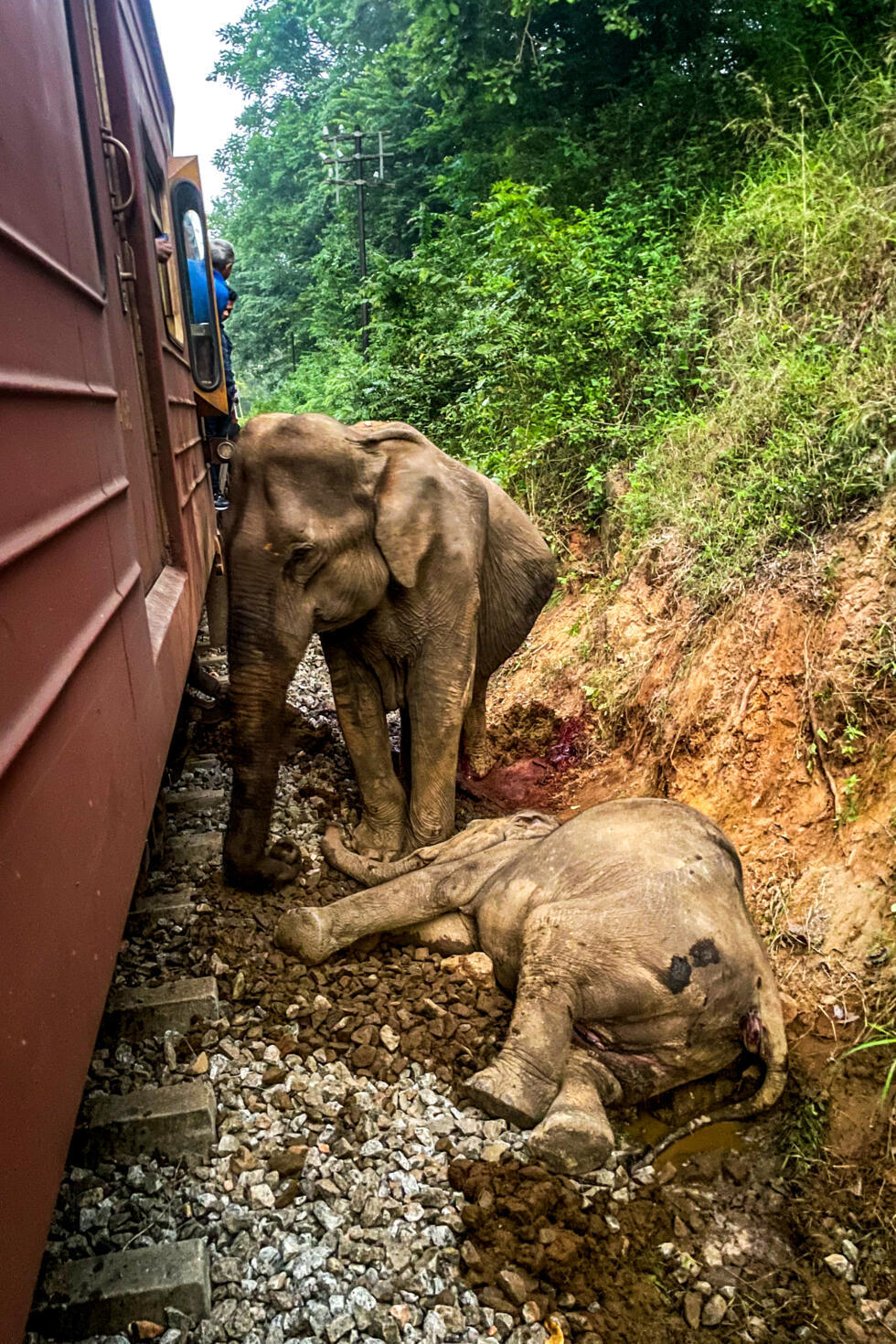
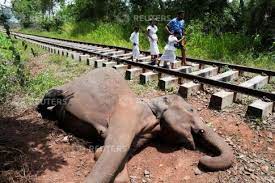
Railway tracks and roads that cut through traditional elephant migration routes have become death traps for these majestic animals. As elephants attempt to cross these man-made barriers, fatal collisions with trains and vehicles claim numerous lives each year.

Recognizing the urgency of this issue, the Government of Sri Lanka initiated the construction of an elephant overpass in the Galgamuwa area in 2022. This project stands as a clear example of well-planned infrastructure aimed at conserving wildlife while ensuring human safety.

2022 Initiative

Galgamuwa elephant overpass construction began

Work Halted

Nearly 2 years with no progress due to lack of funds

Solutions to Prevent Elephant-Train Collisions

To reduce these deadly incidents, Sri Lanka must adopt a multi-pronged approach that combines technology, infrastructure development, awareness, and policy reform.

Migration Routes

Railways and roads intersect ancient elephant migration corridors used for generations.

High-Speed Collisions

Fast-moving trains and vehicles cannot stop in time when elephants cross tracks or roads.

Night Crossings

Elephants often cross during nighttime when visibility is poor, increasing accident risk.

No Safe Passages

Lack of underpasses or overpasses forces elephants to cross dangerous infrastructure.

The Impact

On Elephants

  • Fatal collisions with trains and vehicles
  • Severe injuries requiring medical intervention
  • Disruption of migration patterns and family groups
  • Increased stress and behavioral changes

On Humans

  • Train derailments and service disruptions
  • Vehicle damage and passenger injuries
  • Economic losses from infrastructure damage
  • Psychological trauma for witnesses and drivers

Galgamuwa Elephant Overpass Project

A Model for Wildlife Conservation

Location: Galgamuwa Area, Sri Lanka

Project Status: Construction halted (nearly 2 years)

Reason for Halt: Lack of funding

Project Design Features:

  • Based on data about elephant movement patterns
  • Designed for high-risk collision zones
  • Maintains natural migratory routes
  • Ensures safe passage for entire herds
  • Prevents fatalities while ensuring human safety
Urgent: This project needs immediate funding to resume construction and serve as a model for other high-risk areas across Sri Lanka.
Elephant corridor near railway High-risk railway zone Train accident scene

Comprehensive Solution Plan

1

Establish Early-Warning and Monitoring Systems

  • Install infrared motion sensors and thermal cameras along high-risk tracks to detect large animal movement.
  • Implement radar-based warning systems to alert train operators of elephant presence well in advance.
  • Connect the system to an automated signal network to activate emergency speed reductions or halt trains when elephants are detected.
2

Assign Wildlife Spotters on Trains

  • For trains passing through high-risk zones, assign trained wildlife officers to travel in the engine compartment.
  • These spotters can act as a second pair of eyes, helping the train driver slow down or stop when elephants are spotted near the tracks. These spotters should get into the Engine compartment and travel up till the end of this corridor. They should travel back and forth on every train that passes through this corridor. Speed 20 Kmh should be fully enforced and Engineers who break this rule needs to face consequences. We need 4 spotters to be employed on each route to travel in these trains. 2 sporters each way.
3

Clear Vegetation Near Tracks

  • Maintain a clear zone on both sides of the track in elephant-prone areas to improve visibility.
  • Vegetation clearance should be done carefully to avoid destroying elephant habitat but enough to give train drivers a better line of sight.
4

Build Underpasses and Overpasses

(A4-1, A4-2)

Construct elephant underpasses or overpasses in known crossing areas to allow elephants safe passage under or over the railway tracks. Recognizing the urgency of this issue, the Government of Sri Lanka initiated the construction of an elephant overpass in the Galgamuwa area in 2022. This project stands as a clear example of well-planned infrastructure aimed at conserving wildlife while ensuring human safety. The overpass was carefully designed based on data about elephant movement patterns and high-risk collision zones. At present the work has been halted due to lack of funds. It's now close to 2 years no work has been conducted. Such overpasses not only prevent fatalities but also help maintain the natural migratory routes that elephants have used for generations. By expanding similar projects in other high-risk areas, Sri Lanka can significantly reduce elephant deaths on train tracks and move toward a more sustainable model of human-wildlife coexistence.

  • These wildlife crossings have proven effective in other countries such as India, Kenya, and Thailand.
5

Implement Speed Limits in High-Risk Zones

(A5-1 to A5-6)

  • Impose strict speed limits for trains traveling through designated elephant corridors, especially during the hours of dusk and dawn when elephants are most active. 20Kmh is the max and Engine drivers cannot exceed this speed limit.
  • Use warning signs and audible train horns to deter elephants from approaching the tracks.
6

Use Smart Fencing and Barriers

To effectively reduce human-elephant conflicts and protect both communities and elephants, it's essential to implement advanced, eco-friendly, and sustainable fencing solutions. Several modern and traditional systems can be combined for maximum impact. These include smart electric fencing, virtual geofencing, beehive fences, and natural physical barriers. Each system has its own strengths and can be customized based on the geography, elephant behavior, and community needs.

1. Smart Electric Fencing

Electric fencing alone is not the solution to human–elephant conflicts. We must identify the root cause of the problem. In every village attacked by elephants, there is a jungle nearby where these giants roam freely. When they become hungry—whether during the day or at night—they quietly approach farmlands to feed on crops.

Simply throwing firecrackers or installing conventional electric fences will not stop these highly intelligent animals from finding ways to reach food. They learn quickly and adapt. The real solution lies in driving them back to the jungles they came from while ensuring those jungles remain safe and abundant with food and water. Instead of asking villagers to maintain high- or low-voltage fences, we should focus on securing and monitoring elephant habitats. This approach, known as Smart Fencing, aims to prevent elephants from leaving their forest ranges in the first place. By protecting their natural territory, we reduce conflict before it starts.

Smart electric fences use solar-powered systems with low-voltage electric pulses to deter elephants without causing serious harm. What makes them "smart" is the integration of motion sensors, cameras, alarms, and real-time alert systems that notify rangers or local teams when elephants approach or breach the perimeter.

Features:

  • Solar-powered and cost-effective.
  • Remote monitoring via mobile apps or control centers.
  • Can be connected to cloud-based data systems for tracking patterns.
  • Integrated alarms to scare elephants away with sound and lights.

Ideal For: Perimeter fencing of Jungles near villages, agricultural lands, and elephant corridors.

2. Beehive Fencing (Bee Fences)

Elephants naturally fear bees. Beehive fences take advantage of this behavior by installing hanging beehives every 15–20 meters along a wire fence. If an elephant touches the wire, it disturbs the hives, causing bees to swarm and drive the elephant away.

Benefits:

  • Low-cost and sustainable.
  • Provides additional income through honey production ("Elephant-friendly honey").
  • Encourages community participation.
  • No electricity required; environmentally friendly.

Ideal For: Bordering farms and small villages.

3. Virtual Geofencing (GPS Collar + Alert System)

Virtual fencing uses GPS collars on elephants to track their movement. When an elephant approaches a digital boundary set by geolocation, an alert is sent to rangers or farmers via SMS or mobile app.

Benefits:

  • Real-time monitoring of elephant movements.
  • Predictive analytics help prepare for potential conflicts.
  • Non-invasive and works across vast landscapes.

Ideal For: Monitoring elephants in open landscapes and protecting long migration corridors.

4. Chili Rope or Grease Barriers

Elephants dislike the strong smell of chili. Chili-infused ropes or chili-grease mixtures are smeared onto fabric or ropes strung along fences.

  • Low-cost, temporary measure.
  • Works best when used in combination with other methods.

5. Moats, Trenches, and Natural Barriers

In certain areas, digging deep trenches or constructing moats can deter elephants from entering. Alternatively, planting thorny plants like cactus or agave along the boundaries creates natural deterrents.

  • Challenges: Can be labor-intensive and require regular maintenance.

6. Acoustic and Light-Based Deterrents

Devices that emit ultrasonic sound or flashing lights can be used to deter elephants when integrated with smart fences.

  • Used in combination with electric or beehive fences for greater effectiveness.

By combining technology with natural solutions, we can protect human communities while preserving elephant habitats and respecting their right to coexist.

(A6-1 to A6-10)

  • In highly vulnerable areas, consider installing low-voltage smart fences to guide elephants away from tracks.
  • Combine fencing with salt licks, waterholes, or feeding zones on the opposite side to naturally redirect elephant movement.

7

Educate Train Operators and Local Communities

  • Train drivers and railway staff should be educated about elephant behavior and the importance of slowing down in critical zones.
  • Awareness programs for nearby communities can also encourage timely reporting of elephant sightings near railway lines.
8

Improve Data Collection and Research

  • Maintain a centralized database to track all elephant-train collisions.
  • Analyze patterns, locations, and seasonal trends to improve future planning and prevention strategies.

The Path Forward

By expanding projects similar to the Galgamuwa overpass in other high-risk areas, Sri Lanka can significantly reduce elephant deaths on train tracks and roads. These infrastructure improvements will:

Prevent elephant fatalities and injuries

Maintain natural migration routes

Reduce train derailments and delays

Protect human lives and property

Create sustainable human-wildlife coexistence

Serve as model for other countries

Help Complete the Galgamuwa Overpass

Your donation can help resume construction and save countless elephant lives.