
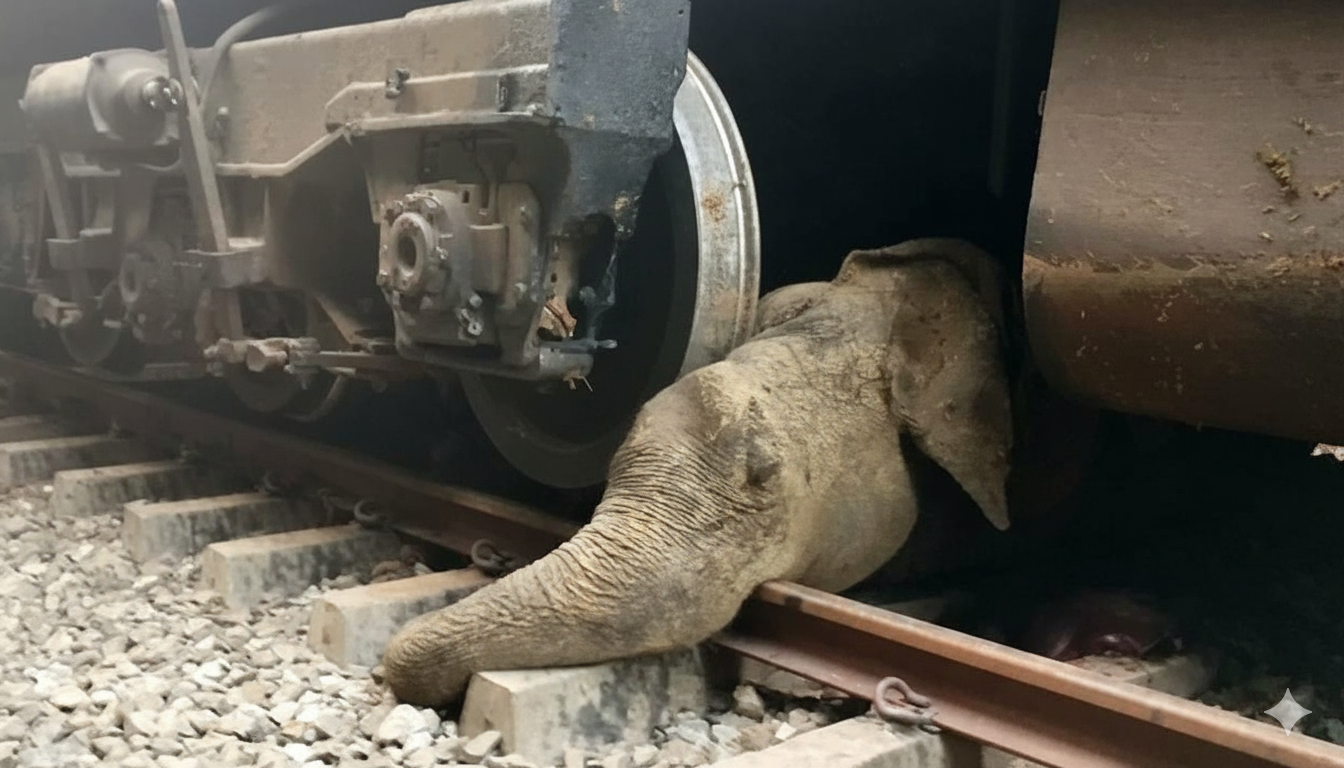
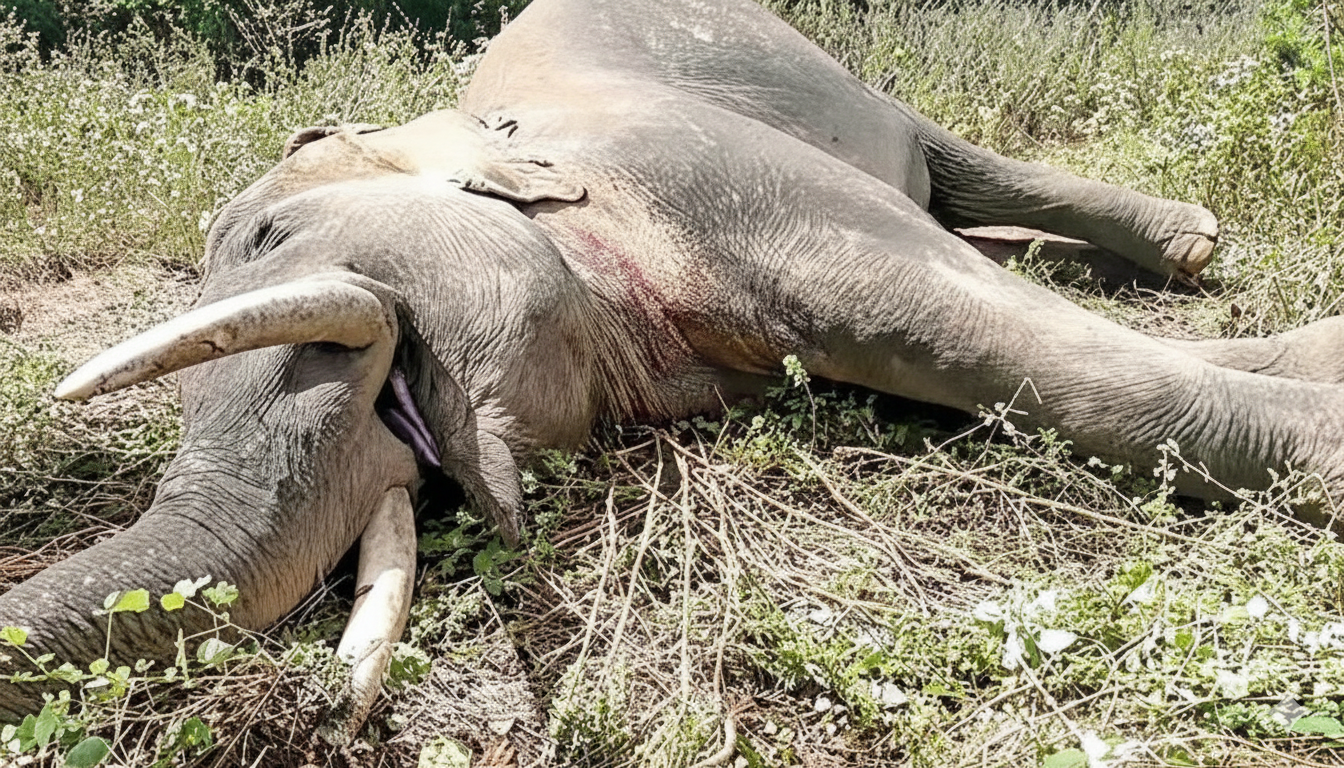
Please help us to help the Giants!!
Let’s start giving the full protection the elephants need to survive in the Jungle. They too have the same rights to survive as we do. We are running against time. Protecting both elephants and humans from conflict is no easy task. It is a complex and painstaking long-term effort that requires careful planning, sustained commitment, and close cooperation between wildlife authorities, local communities, conservationists, and the public. Achieving a lasting solution will take time, patience, and continuous support, but it is essential to ensure the safety and well-being of both people and these magnificent animals.
The Crisis
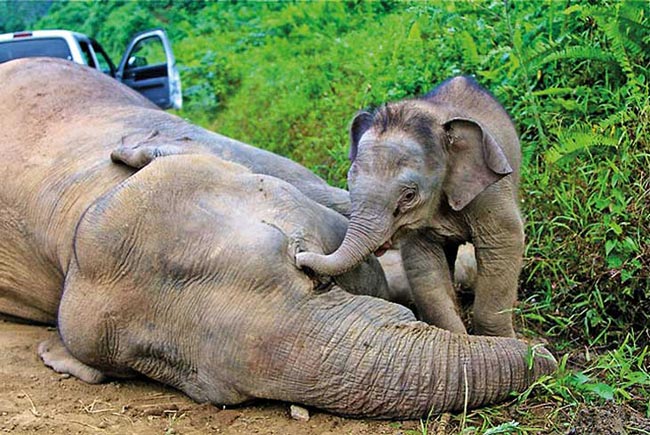
Over 400 elephants die every year in Sri Lanka. Time is running out.
Why We Must Act Now
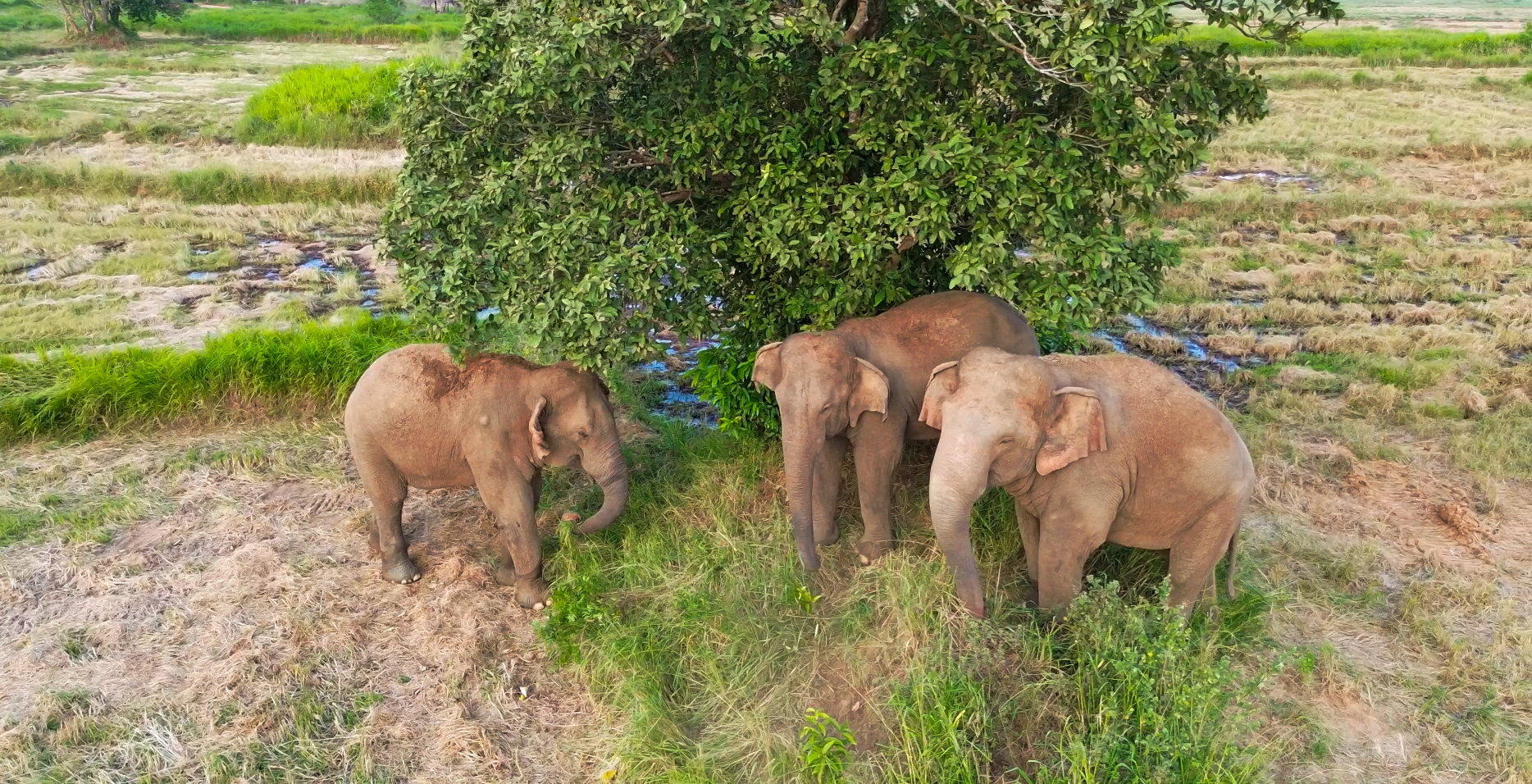
It is time for all nature lovers, conservationists, educators, and responsible citizens to come together in defense of our elephants. We must demand a national strategy that prioritizes the protection and preservation of elephant habitats. A key proposal is to identify and allocate several large, secure areas across the country as dedicated elephant zones—protected sanctuaries where elephants can live without the constant threat of conflict or displacement. Over 400 Elephants die in average ever year in Sri Lanka. Are we going to wait for another year to loose our Treasure?
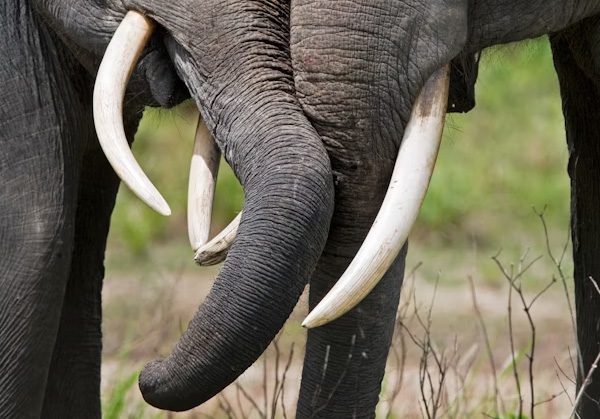
Our Solution
A comprehensive protection system requiring coordinated effort across multiple levels of society.
Public Awareness Campaigns
These campaigns are crucial to educate people about the urgency of the issue and the importance of coexisting with elephants.
Newspapers
Media reaching rural communities and urban centers nationwide
Television
Documentaries and educational news segments broadcast
Radio
Local stations and community broadcasts reaching remote areas
Social Media
Viral content and digital storytelling across multiple platforms
Community
Face-to-face education and dialogue sessions in villages
Combined Impact
The Core Issue: Sustainable Funding
This is not a simple task, nor one that can be achieved overnight. It requires a comprehensive and coordinated effort across multiple levels of society. First and foremost, we need widespread public awareness. Awareness campaigns through newspapers, television, radio, social media, and community meetings are crucial to educate people about the urgency of the issue and the importance of coexisting with elephants. It’s not that efforts haven’t been made—but most initiatives stop within days or weeks due to a lack of sustained funding. The core issue is the shortage of continuous financial support.There are many areas where local communities have developed practical and humane ways to deal with the elephant conflict they face, without causing any harm to the animals. One such method is the use of blinking light systems, which can help keep elephants away from villages and cultivation areas. However, these solutions often fail after some time, not because they are ineffective, but because the communities lack the financial resources to maintain, repair, or replace them when needed. Our approach will be to identify these kinds of creative, community-driven strategies that have already shown promise on the ground. Rather than introducing completely new methods from outside, we will focus on supporting and strengthening the solutions that local people themselves have adopted through experience and necessity. This could include funding for maintenance, repairs, replacement of equipment, and other practical requirements that ensure these systems remain operational in the long term. In addition, we will study and document successful local practices from different regions, assess which methods are most effective under different conditions, and help replicate them where appropriate. By doing so, we can preserve innovative, non-lethal solutions, reduce the risk to both people and elephants, and build a more sustainable coexistence between rural communities and wildlife.
Daily Monitoring Activities
Continuous field monitoring to protect elephants across critical risk zones island-wide.
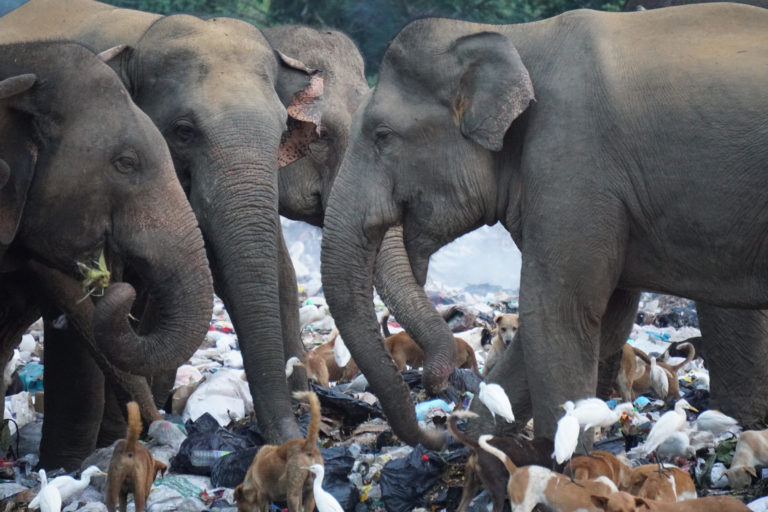
Landfill Security
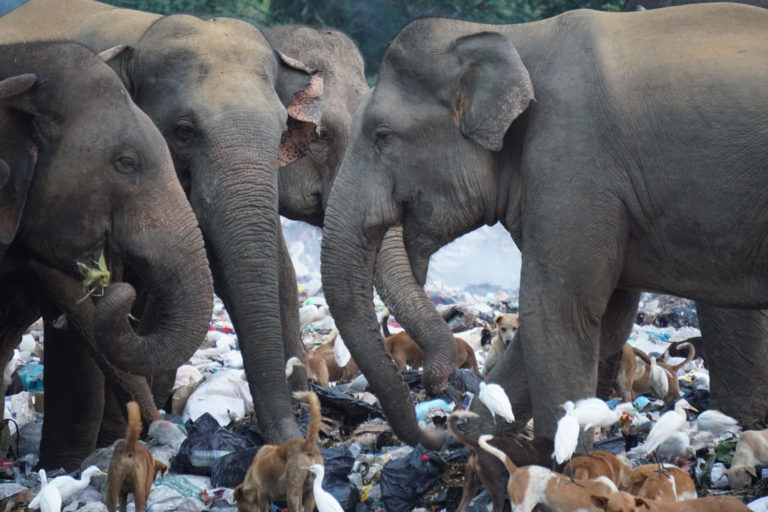
Elephants feeding at garbage landfills
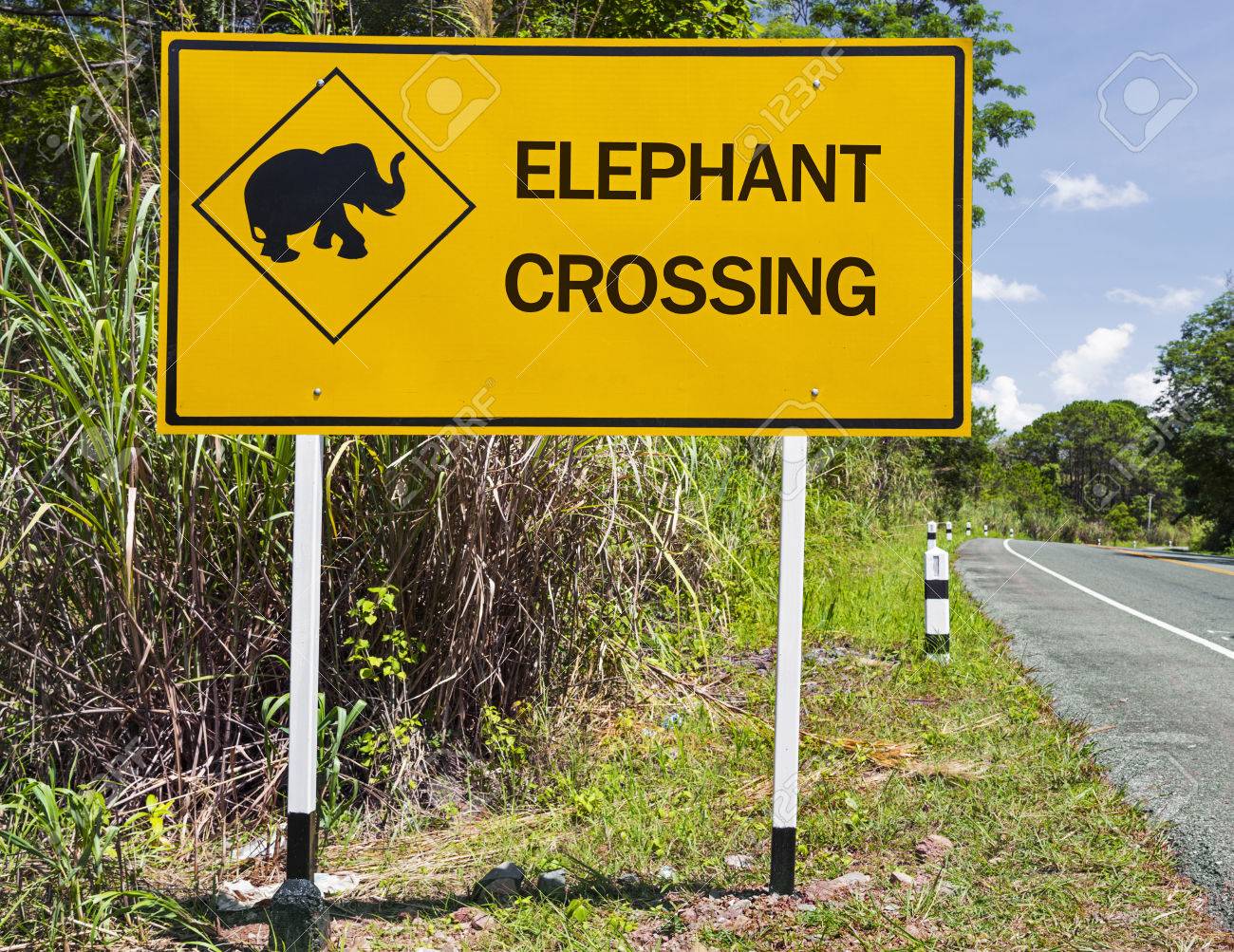
Corridor Tracking
Unregulated movement through elephant corridors
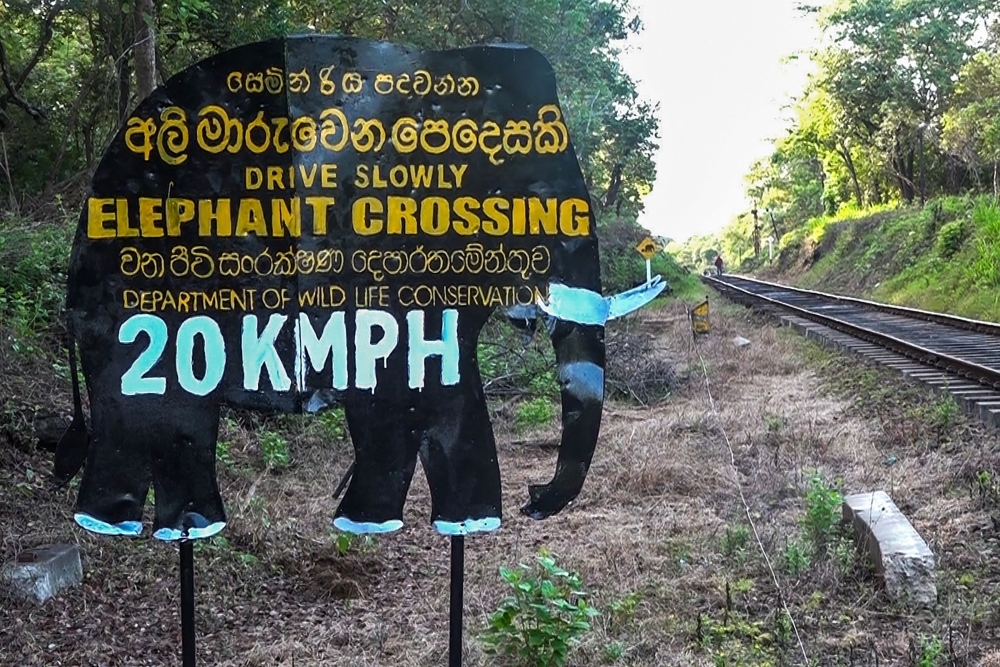
Risk Zone Alerts
Risk zones where train accidents frequently occur
Habitat Protection
Allow elephants to live in their usual habitats without interference

Coexistence Education
Educating Humans such as farmers and Paddy Cultivators the importance of coexistence.
Our Implementation Strategy
Only with a stable comprehensive support system, we can ensure both their safety and long term survival. If we neglect, in another 10-15 years we might loose all our elephants.
Rapid-Response System
The immediate establishment of Rapid-Response Groups and Response Centers is crucial to effectively addressing this growing crisis. This system must operate continuously, without interruption, as any breakdown could jeopardize the protection of our elephants. These efforts must persist until a safe, secure, and sustainable environment is created—one in which the elephant population can recover and thrive. Furthermore, we must implement a structured system for coordinated elephant exchanges with neighboring countries such as India, Thailand, Vietnam, Myanmar, Cambodia, and China’s Yunnan Province. Such collaboration will enhance genetic diversity and significantly strengthen long-term conservation efforts.
Emergency Deployment Capability
Our system will serve as the sole rapid-response mechanism in the event of an emergency, enabling our teams to be immediately deployed anywhere on the island to protect and safeguard our elephants. This is not an easy task but we have to do our best to curtail elephant killings and increase their numbers. Cannot waste any more precious time. We Need Help. We need your support and help to establish this system in Sri Lanka.
Rapid Response
24/7 emergency deployment system enabling immediate protection and safeguarding of elephants anywhere on the island.
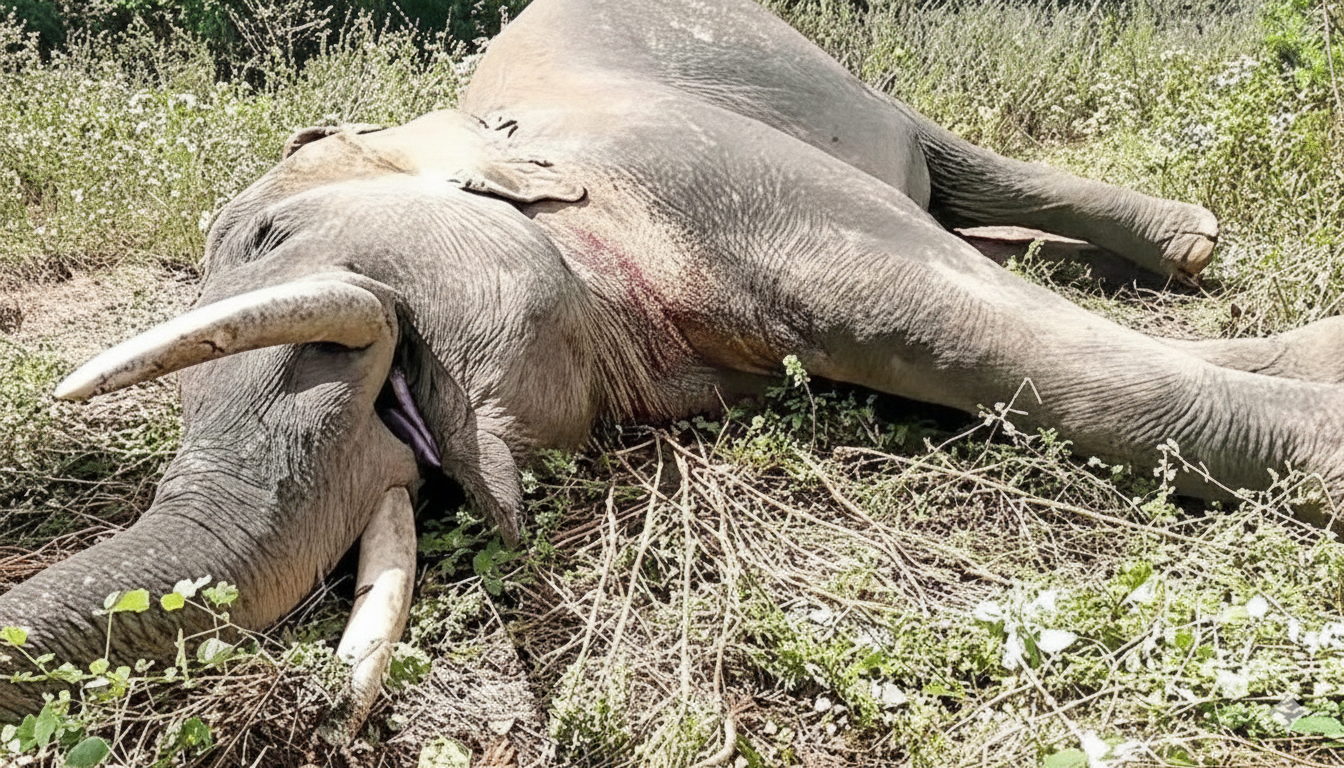
International Collaboration
Coordinated elephant exchanges with India, Thailand, Vietnam, Myanmar, Cambodia, and China's Yunnan Province to enhance genetic diversity and significantly strengthen long-term conservation efforts.
If these countries can have comprehensive programs to eliminate human elephant conflicts, why can't we in Sri Lanka learn from them and do the same?
Sustainable Funding
Reliable and ongoing funding system to ensure continuous protection and monitoring efforts.
Looking Back: What Went Wrong
Back in the 1990s and early 2000s, Sri Lanka’s elephant population appeared relatively secure. The laws were stringent, and enforcement was strong. Our elephants had large expanses of jungle to themselves, where they could live and migrate freely without the threat of human interference. Then, Human settlements and development projects had not yet pushed so deeply into elephant territory. The harmony between humans and elephants, while not perfect, was largely maintained through respect for the boundaries of the wild.
The Current Reality
In this conflict, it is always the elephants—the “Gentle Giants” of our land—who suffer the most. Elephants are injured, killed, or displaced from their habitats. Electric fences, homemade explosives hidden in food (commonly known as “hakka patas”), and gunfire have taken a terrible toll. These majestic animals, symbols of our heritage and biodiversity, are paying the ultimate price for our neglect and short-sighted development.
The Political Challenge
Sadly, little has been done at a governmental level to provide sustainable solutions. The plight of elephants often goes unnoticed in policy-making circles, overshadowed by political agendas and electoral calculations. For many politicians, the voices of human voters carry more weight than the silent suffering of our elephants. Wildlife conservation is often treated as a secondary issue— an afterthought rather than a priority. Time is running out.
Our Mission
Our goal is to reduce human-elephant conflict, prevent tragic elephant deaths, and create safe habitats where elephants can thrive. This includes stopping road and train accidents, keeping elephants away from dangerous landfills filled with human and medical waste, and educating farmers, villages on how to peacefully coexist with these majestic animals. Most importantly, we are fully committed to working in close collaboration with the Sri Lanka Wildlife Department, providing them with all necessary support to ensure the protection of our elephants. Our top priority will be to safeguard these majestic giants around the clock—24/7.
The Most Important Project
to Establish to Save our Giants
Creating Rapid-Response Groups and Response Centers to attend Human-Elephant Conflicts
Are we going to look the other way? Let's do what we have to do to save them. Please help us to help these Magnificent Giants.
The Importance of Creating Rapid-Response Groups and Response Centers to attend Human-Elephant Conflicts (Most Important to establish in Sri Lanka)
Human-elephant conflict (HEC) has become one of the most pressing conservation and rural livelihood challenges in regions where elephants and communities coexist. As these magnificent animal's roam beyond protected areas in search of food and water, they often enter farmland and villages, leading to the destruction of crops, property, and tragically, sometimes even lives—both human and elephant. Over 400 Elephants are killed each year in Sri Lanka by the Farmers. Are we going to look the other way? Let's do what we have to do to save them. Please help us to help these Magnificent Elephants.
In the face of escalating human-elephant conflicts, swift and well-coordinated action is crucial. One of the most effective and sustainable solutions is the establishment of local rapid-response teams—composed of dynamic, trained young men and women—ready to intervene immediately when incidents occur. If these teams can respond promptly and alert the relevant authorities without delay, it's estimated that up to 80–90% of such conflicts could be mitigated. Reaching the hotspot quickly is key to preventing further escalation.
To achieve this, we have identified seven strategic locations across the country—primarily in high-risk zones as shown in the map below where elephants are commonly found and conflicts are frequent—for the construction of dedicated Response Centers. These centers will be fully equipped with essential facilities to operate around the clock.
Seven Strategic Response Centers
Nationwide Network for Rapid Response
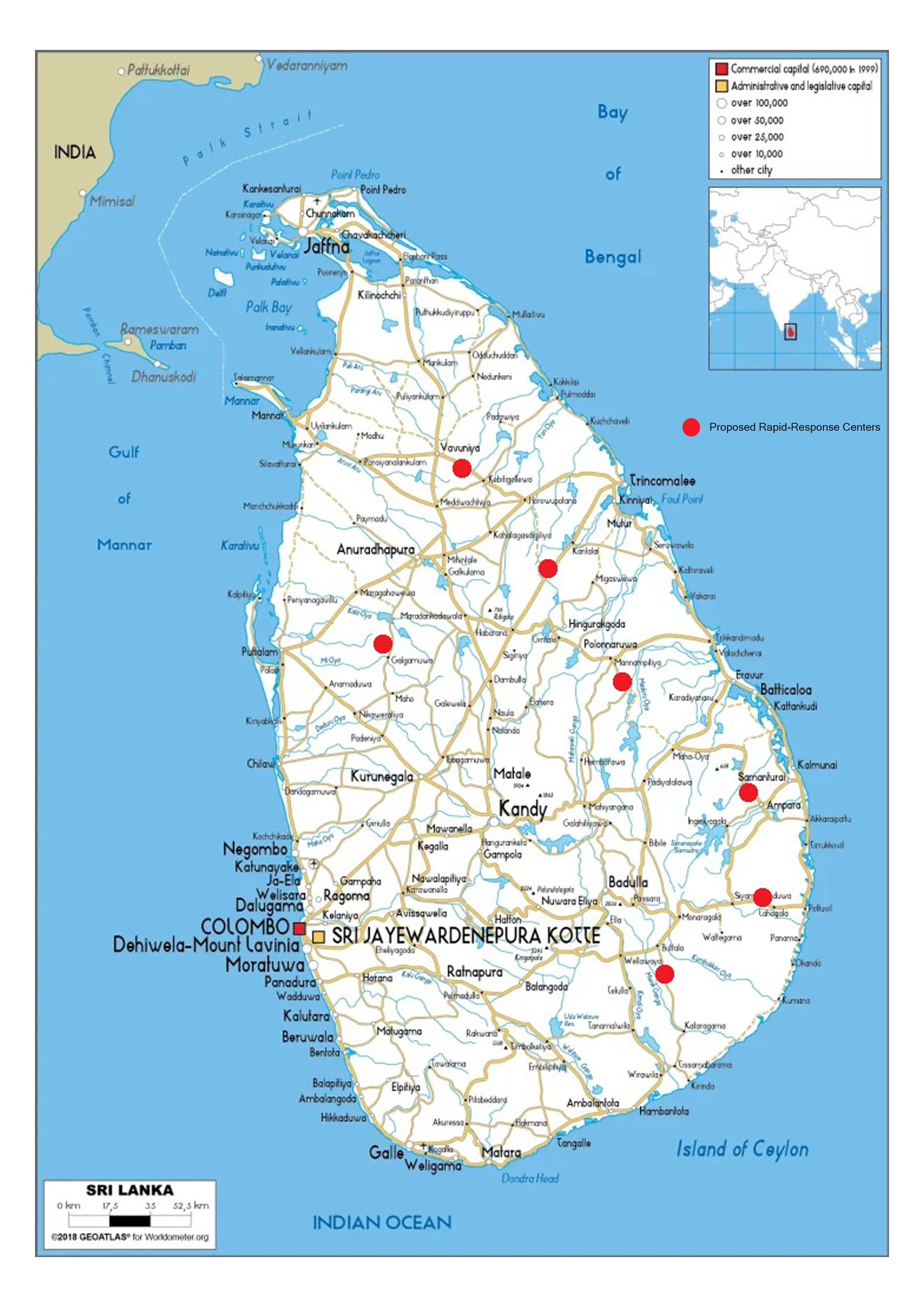
Strategic Locations
We have identified seven strategic locations across the country—primarily in high-risk zones where elephants are commonly found and conflicts are frequent—for the construction of dedicated Response Centers.
High-Risk Zones
Areas with highest conflict probability
Frequent Conflicts
Locations with recurring incidents
Elephant Corridors
Natural migration pathways
Built for Speed & Expertise
Each center is staffed, equipped, and ready around the clock.
Expert Staffing
Each center will be staffed by four full-time personnel, fully trained by local and foreign elephant behavior experts.
24/7 Operations
Fully equipped with essential facilities to operate around the clock, ready for immediate response.
Rapid Transport
Trail motorcycles for swift action to reach conflict sites quickly and prevent escalation.
Why Local Monitoring Groups Matter
Swift Detection and Communication
Local groups who live near or within elephant corridors are ideally placed to monitor elephant movements. They can detect signs of elephants entering human-dominated areas and alert nearby communities in real-time, giving farmers a chance to protect themselves and reduce risk.
Preventing Escalation of Conflict
These groups act as first responders during early stages of conflict. By quickly informing wildlife authorities and mediating with community members, they help prevent retaliation against elephants—such as poisoning or attacks—which often occurs when farmers feel unsupported or left without options. Farmers also could be given fire crackers to scare the Elephants
Empowering Communities
Engaging youth—both men and women—in such groups fosters local ownership and responsibility. These individuals become ambassadors for peaceful coexistence, spreading awareness, encouraging non-lethal deterrents, and building bridges between conservation efforts and rural livelihoods. Our Response centers will take the initiative to provide these men and woman with needed information and other materials.
Building Trust and Long-Term Solutions
When action comes from within the community, it builds trust. People are more likely to cooperate with familiar faces who understand their struggles and share their concerns.
Data Collection and Early Warning Systems
Trained local monitors can also help collect vital data on elephant movements, behavior, and conflict hotspots. This information is critical for designing long-term mitigation strategies and infrastructure planning, such as elephant corridors and safe buffer zones.
What These Groups Need
To be effective, these groups should receive:
- Basic training in elephant behavior and safety protocols
- Communication tools (such as mobile phones, radios, GPS apps)
- A direct link to wildlife officers and local government officials
- Most Importantly, Support should be given to these Response Center Leaders, such as equipment and transport. We cannot expect any help from NGO's or Government for our Response work. Trail Motor Bicycles are the ideal transportation for swift action
Elephants are a symbol of our natural heritage, and their survival depends on coexistence with people who live closest to them. By organizing and empowering local youth to act as protectors and peacekeepers in conflict-prone areas, we can reduce human and elephant casualties, preserve biodiversity, and support rural resilience.
This is not just a conservation need—it is a humanitarian and community-driven solution for a peaceful future.
Our goal is to establish seven fully equipped Rapid-Response Centers across the country to effectively address Human-Elephant Conflict. These centers will be outfitted with the necessary resources and trained personnel to act swiftly and decisively.
We are confident that, with the proper system in place, we can reduce conflict incidents by up to 90%. The need for these centers in our island nation is urgent and critical.
Conflict Reduction
Target reduction in human-elephant conflicts
Active Monitoring
Round-the-clock surveillance and response
Strategic Centers
Nationwide network of response centers
How We Operate
Independent action with government collaboration when conflict strikes.
Government Collaboration
While we will collaborate closely with the government, we will operate as an independent entity, capable of delivering support where government resources may fall short. Our teams will be active 24/7, ready to deploy at a moment's notice.
On-Site Response & Coordination
Upon arriving at a conflict site, our teams will assess the situation and coordinate with the relevant authorities—the Police, the Department of Wildlife Conservation, and Veterinary Services—to provide the necessary intervention and care.
Human Elephant Conflict
Conflicts arise mainly due to habitat loss, uncontrolled expansion of farmland, and a lack of awareness among farmers about how to live alongside these gentle giants.
Habitat loss brings elephants into closer contact with human populations, which inevitably results in human-elephant conflict. In Sri Lanka, this conflict has reached crisis levels. As elephants venture into villages and farmlands in search of food, they often destroy crops, property, and sometimes even harm or kill people. In retaliation, villagers may attack or kill elephants using poison, firearms, or homemade explosives like "Hakka Patas" (exploding bait designed to kill or harm these animals).
Read More
Garbage Landfills
Open landfills near elephant habitats have become deadly feeding grounds for elephants. Elephants are drawn to the smell of food waste and often consume harmful materials such as plastic, polythene, and toxic substances, which can lead to fatal health consequences. There are many in Sri Lanka. In Ampara district there over 4 such Landfills and the most dangerous landfill, I have seen is in Porthuville Town Council. There’s no gates, or drains to prevent Elephants coming into this Landfill.
Read MoreTrain & Road Accidents
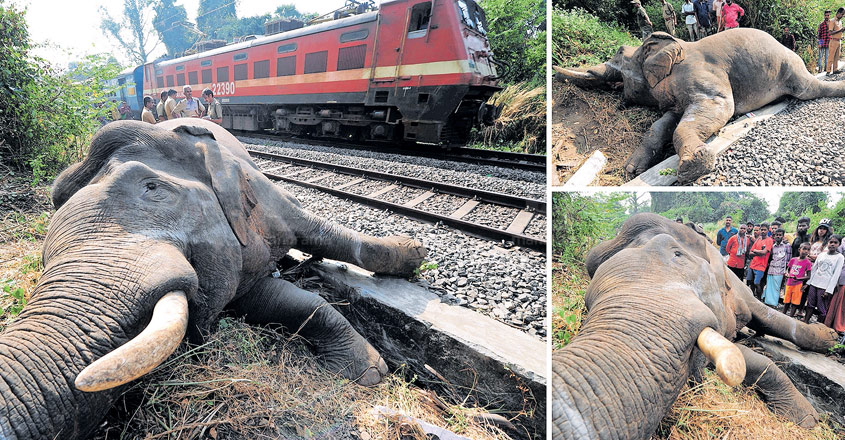
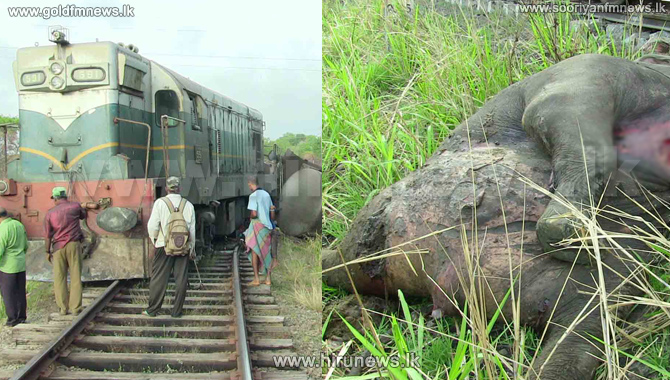
Construct elephant underpasses or overpasses in known crossing areas to allow elephants safe passage under or over the railway tracks. Recognizing the urgency of this issue, the Government of Sri Lanka initiated the construction of an elephant overpass in the Galgamuwa area in 2022.
This project stands as a clear example of well-planned infrastructure aimed at conserving wildlife while ensuring human safety. The overpass was carefully designed based on data about elephant movement patterns and high-risk collision zones. At present the work has been halted due to lack of funds. It's now close to 2 years no work has been conducted. Such overpasses not only prevent fatalities but also help maintain the natural migratory routes that elephants have used for generations. By expanding similar projects in other high-risk areas, Sri Lanka can significantly reduce elephant deaths on train tracks and move toward a more sustainable model of human-wildlife coexistence.
Read More
Transparent Financial Planning
for Sustainable Elephant Protection
Every dollar invested creates measurable impact in protecting Sri Lanka's elephant population
Initial Setup
Complete infrastructure setup for all 7 response centers
Monthly Operations
Sustained operations across all 7 centers
Expected Impact
Projected reduction in human-elephant conflicts
Detailed Financial Breakdown
Clear budget breakdown details prepared for investors and funding partners, and can be provided to interested parties
Monthly Operational Costs
Note: The variation accounts for minor fuel increases, occasional higher food usage, or unexpected operational needs like bike repairs, oil changes and so on.
Initial Setup Investment
Infrastructure, equipment, vehicles, etc.
Summary
Cost (USD)Investment Impact Timeline
How your investment creates lasting change
Month 1-3
System setup and staff training
Month 4-12
Active monitoring and response
Year 2+
Full system optimization
Cost Optimization & Clarity
Practical strategies to stretch every dollar and keep finances transparent for our investors
Fuel Cost Monitoring
Consider tracking bike mileage with GPS or logs to reduce possible fuel misuse.
Bulk Meal Contracts
If possible, contract a caterer for lunch/dinner to reduce cost per meal and ensure consistency.
Solar Installations
Initial higher cost, but can lower monthly electricity bills in the long term. Backup generator to run the communication system and phone charging.
Standardized Procurement
Buy communication systems, crackers, and batteries in bulk across all centers for discounts.
Reporting System
We will track monthly expenses to compare actual spending against budgeted estimates, allowing us to identify and address any financial leakages. In addition, we will provide our investors with comprehensive, transparent reports, ensuring the highest level of accountability and clarity in all financial matters.
Ready to Make a Difference?
Join us in creating a sustainable future for Sri Lanka's elephants. Every contribution brings us closer to our goal.